Same standard, new circumstances
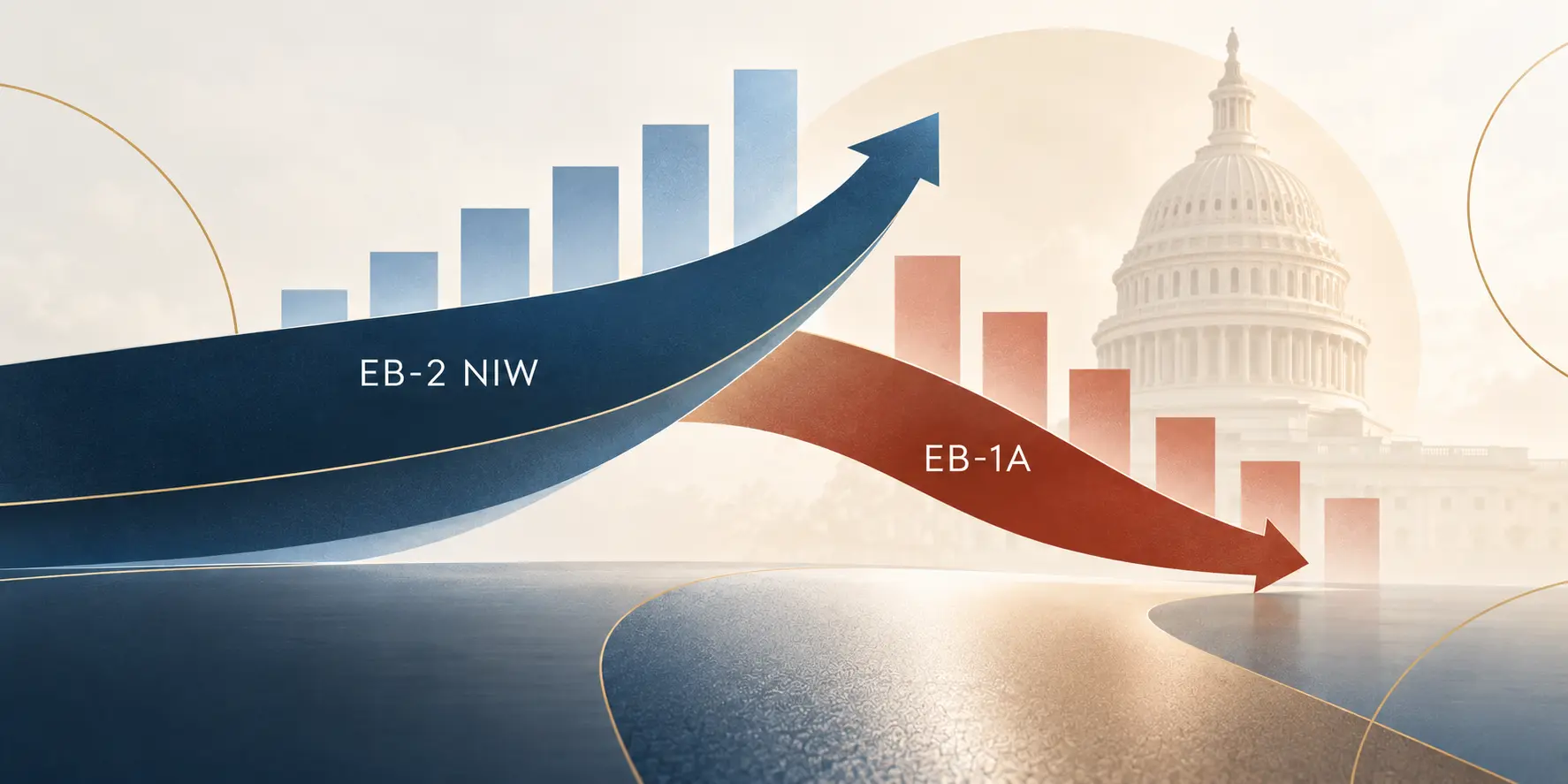
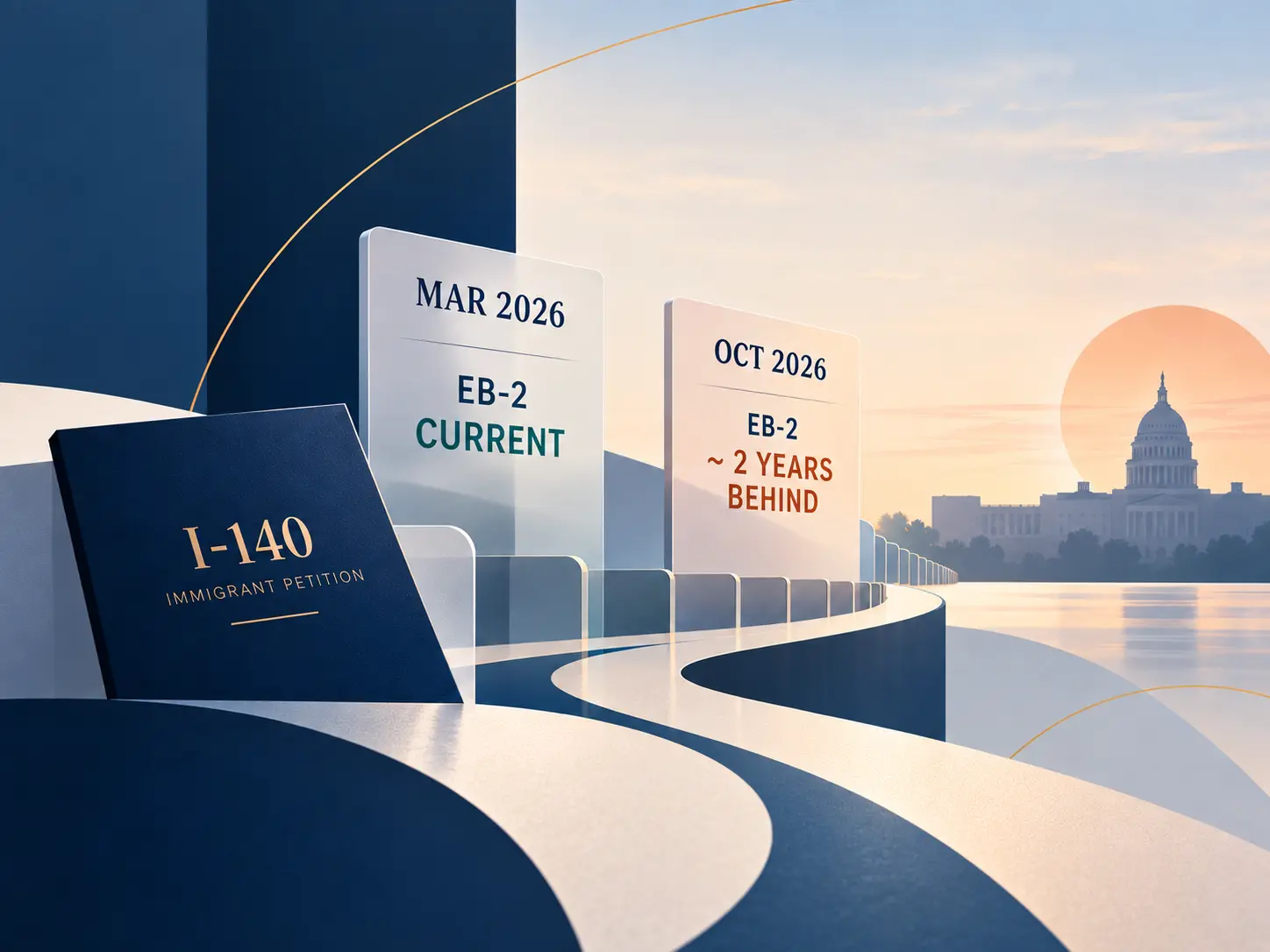
In March 2026, when the EB-2 line cleared for the first time in years, I warned that it was a moment to move with strategy and caution. Seven months later, the October 2026 Visa Bulletin confirms that reading: anyone filing an EB-2 National Interest Waiver (NIW) petition today, or who filed in recent months, faces a line the government is serving nearly two years behind.
I saw it coming because the signals became visible one by one. Still, one point deserves to be stated plainly: neither attorneys nor applicants control the pace of this line. The government sets it, through its policies, its adjudication decisions, and the annual visa limits. Much of what the October bulletin makes official was already being felt in practice.
The EB-2 NIW remains one of the most powerful paths to U.S. permanent residence. It requires no employer sponsor, and it is decided on the applicant's merit and the value of their work to the United States. That has not changed. What has changed is the ground on which the game is played, and it is worth understanding before making decisions.
How the EB-2 NIW Green Card Line Works
The EB-2 NIW is a two-step process. In the first step, the applicant files Form I-140 and the government evaluates the merits of the case. In the second, the applicant seeks the green card itself, either through adjustment of status inside the United States or through consular processing abroad.
Think of it as the line at a bank. The day you file your I-140, you receive your ticket number, known technically as your priority date. Every month, the Department of State publishes the Visa Bulletin, which works like the screen announcing which numbers are being served. That screen shows two dates: one indicates who may move into the waiting area (begin the second step), and the other indicates who can actually receive the green card.
Why the EB-2 Line Was "Current" in March 2026
When the bulletin showed EB-2 as "current" in March, we celebrated, but we also cautioned that it reflected suppressed demand rather than an abundance of visas. There were three clear reasons. The government had paused immigrant visas at the consular stage for applicants from more than 75 countries. Travel bans affected nationals of more than 30 countries. And EB-2 NIW approval levels were modest compared to prior quarters. Fewer people could move forward, and the line looked short because much of it was stuck outside the bank.
What Changed Between March and October
Over the following months, two separate developments took place, and they are worth distinguishing because they affect different things.
The first brought people back into the line, as recently as August. Several organizations sued the government over the pause affecting those 75 countries, and the government lost. The government's stated reason for the pause was that nationals of those countries were more likely to become a public charge; that concern is now channeled through the updated public charge rule, in effect since September 18. At the same time, approval rates rose: according to government data, more than half of the petitions adjudicated between April and June 2026 were approved. More approvals and fewer barriers mean more people waiting their turn.
The second development made it harder to reach the line. Also in August, a memorandum made clear that issuing a Request for Evidence (RFE) is discretionary, and that the response deadline is discretionary as well. In addition, in our practice we have seen Premium Processing cases evaluated under incorrect standards, and even with facts that do not belong to the record. Officer discretion carries more weight today than it did a year ago.
What the October 2026 Visa Bulletin Says for EB-2
Where does the line stand in October? Fiscal year 2027 opened with two EB-2 dates for applicants chargeable to the Rest of World, Mexico, and the Philippines. The first marks who may move into the waiting area: only those who filed their I-140 before March 15, 2026 can begin the second step (the Dates for Filing chart). The second marks who is being served at the window: only those who filed before January 1, 2025 can receive their green card or immigrant visa (the Final Action Dates chart).
For applicants inside the United States, USCIS decides each month which of the two charts governs adjustment of status filings, so the March 15 date applies only when USCIS authorizes it.
What Changes in Practice for EB-2 NIW Applicants
If you are considering starting your process from inside the U.S.
The most concrete change is that concurrent filing (submitting the I-140 and the adjustment of status application at the same time) is no longer possible for new filers in the United States with valid status. The I-140 is filed first, and once the bulletin reaches your priority date, you move to the second step. From start to finish, a process started today should be planned around roughly two years. Even before this bulletin, the changes described above were already pushing timelines toward that range.
If you are considering starting your process from abroad
The filing sequence does not change for you, since concurrent filing was never available through consular processing. The wait, however, applies equally: your immigrant visa cannot be issued until the Final Action Date reaches your priority date. This remains a medium- to long-term game.
If you already have a case in progress
Your situation depends on where your case stands. If you already have a pending adjustment of status, you do not lose it: the case remains pending and cannot be approved until your date becomes current again, but work and travel permits based on that pending application generally remain available. If you filed your I-140 before March 15, 2026 and have not yet started the second step, you may be able to do so, depending on the chart USCIS authorizes each month. And if you filed after that date, time is on your side to prepare for and anticipate the second step calmly.
Why Case Preparation Matters More Than the Bulletin
In my view, two further consequences weigh more heavily than the bulletin itself.
The first is that case preparation is now practically everything. If the government can deny without issuing an RFE, and grants short deadlines when it does issue one (30 days in most of the cases we are seeing), there is simply no room to correct, cure, or add evidence after filing. The case you file is, in practice, the case that gets decided.
Is Premium Processing Still Worth It for an EB-2 NIW?
The second consequence is that Premium Processing makes less sense in the current environment. Your place in line is assigned the day your I-140 is filed, not the day it is approved; paying for a decision within weeks does not move you forward if you will then wait close to two years for the bulletin. Add the inconsistency of expedited adjudications, and Premium Processing is best reserved for specific situations, such as when your immigration strategy depends on an early I-140 approval, for example for certain work visa extensions.
As always, every case requires its own analysis tailored to its circumstances.
Early, Yes, but Prepared
There is an old Spanish saying: no por mucho madrugar amanece más temprano, waking up earlier does not make the sun rise sooner. It captures the state of the EB-2 as 2026 comes to a close. It is true that the sooner you secure a place in line, the sooner your green card arrives. But a case rushed to filing and denied keeps no place at all; it forces you to start over, further back in the line. That is why, in my opinion, 90% of this process lies in getting through the I-140 adjudication. The Visa Bulletin comes after.
This is a marathon, not a 100-meter dash, and every month the course needs to be checked for new obstacles.
Legal disclaimer: This article reflects the author's opinion and is for informational purposes only. It does not constitute legal advice and does not create an attorney-client relationship. Every case depends on its specific facts, and the information here is current as of the date of publication; immigration policies and the Visa Bulletin may change without notice. To evaluate your specific situation, consult an immigration attorney.