Immigration is more challenging than ever right now. News recently broke that only 5% of asylum cases have been approved this year. Against that backdrop, many people are asking what's happening with other paths to status, particularly the employment-based EB-1 and EB-2 categories.
Yesterday, USCIS released its latest quarterly report, covering April through June 2026 (the third quarter of fiscal year 2026). Here's what the numbers show for the EB-2 National Interest Waiver (NIW) and the EB-1A extraordinary ability category, along with our read on them as a firm that works exclusively in these categories.
EB-2 National Interest Waiver: Approvals Climbed to 55%
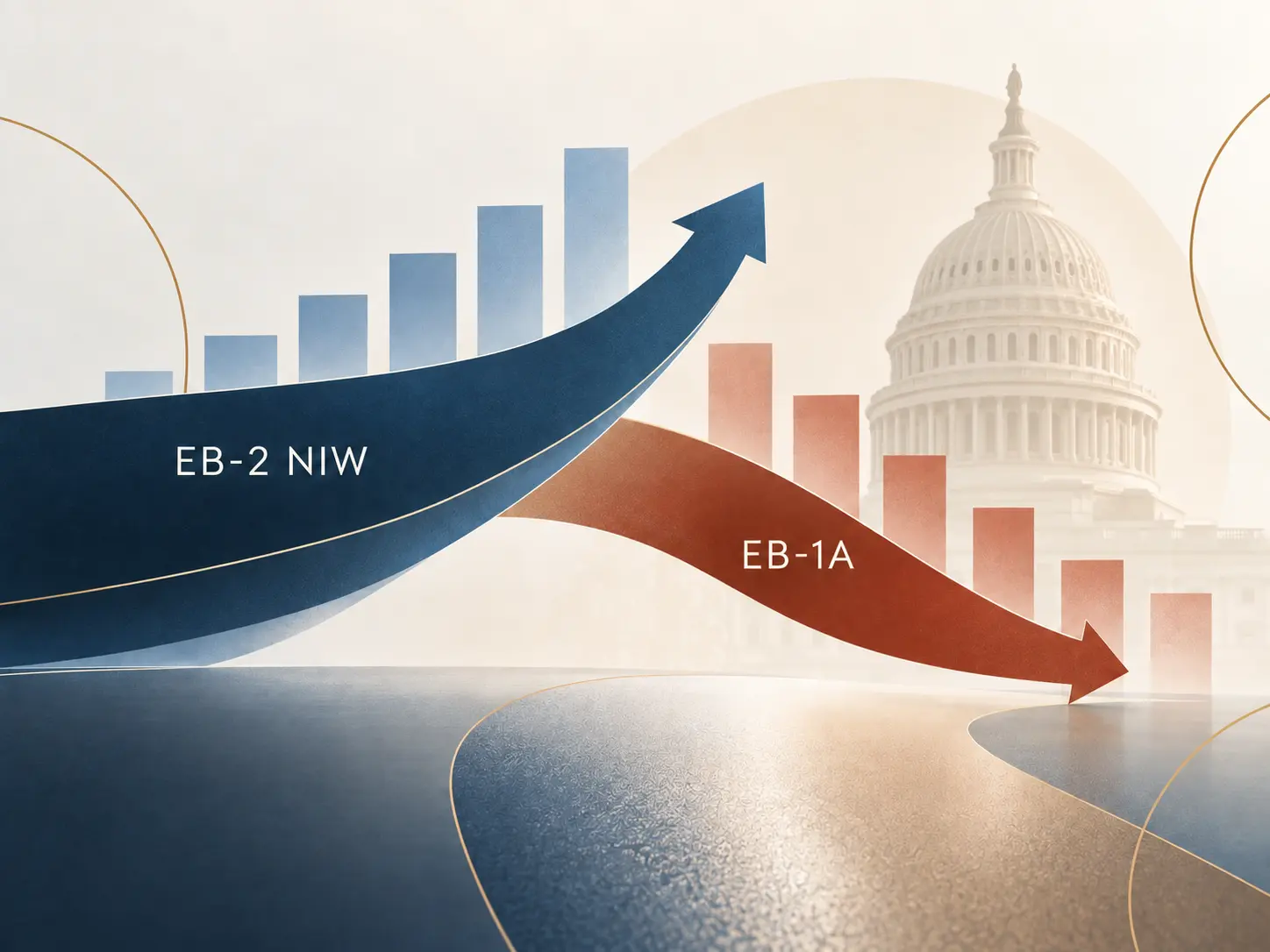
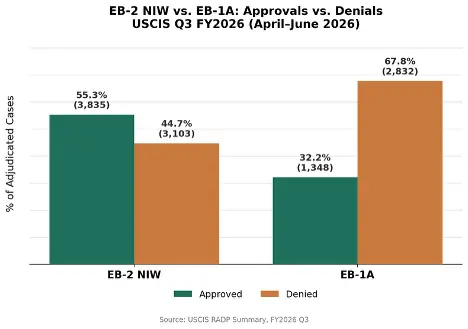
According to the report, 55% of NIW cases adjudicated between April and June 2026 were approved. That number didn't come out of nowhere: it has been climbing steadily since the start of the fiscal year, moving from roughly 42% in the first quarter to 48% in the second. This is the third consecutive quarterly increase.
EB-1A Extraordinary Ability: Approvals Fell to 32%
The story is different for EB-1A. Approvals dropped to 32% in this same period, down from 48% in the first quarter and 42% in the second. This is the third consecutive decline, and the raw number of approved cases has also shrunk quarter over quarter.
What Do These Numbers Actually Mean?
Before drawing quick conclusions, it's worth understanding what this statistic measures, and what it doesn't.
First, these percentages reflect cases adjudicated during that quarter, not cases filed during that same period. The report doesn't distinguish between a case that was approved after waiting two years or more under regular processing, and one that was filed recently using premium processing.
Second, the data doesn't tell us whether that approval came before or after a Request for Evidence (RFE). A case can show up as "approved" in the statistics after going through one or more rounds of additional evidence requests.
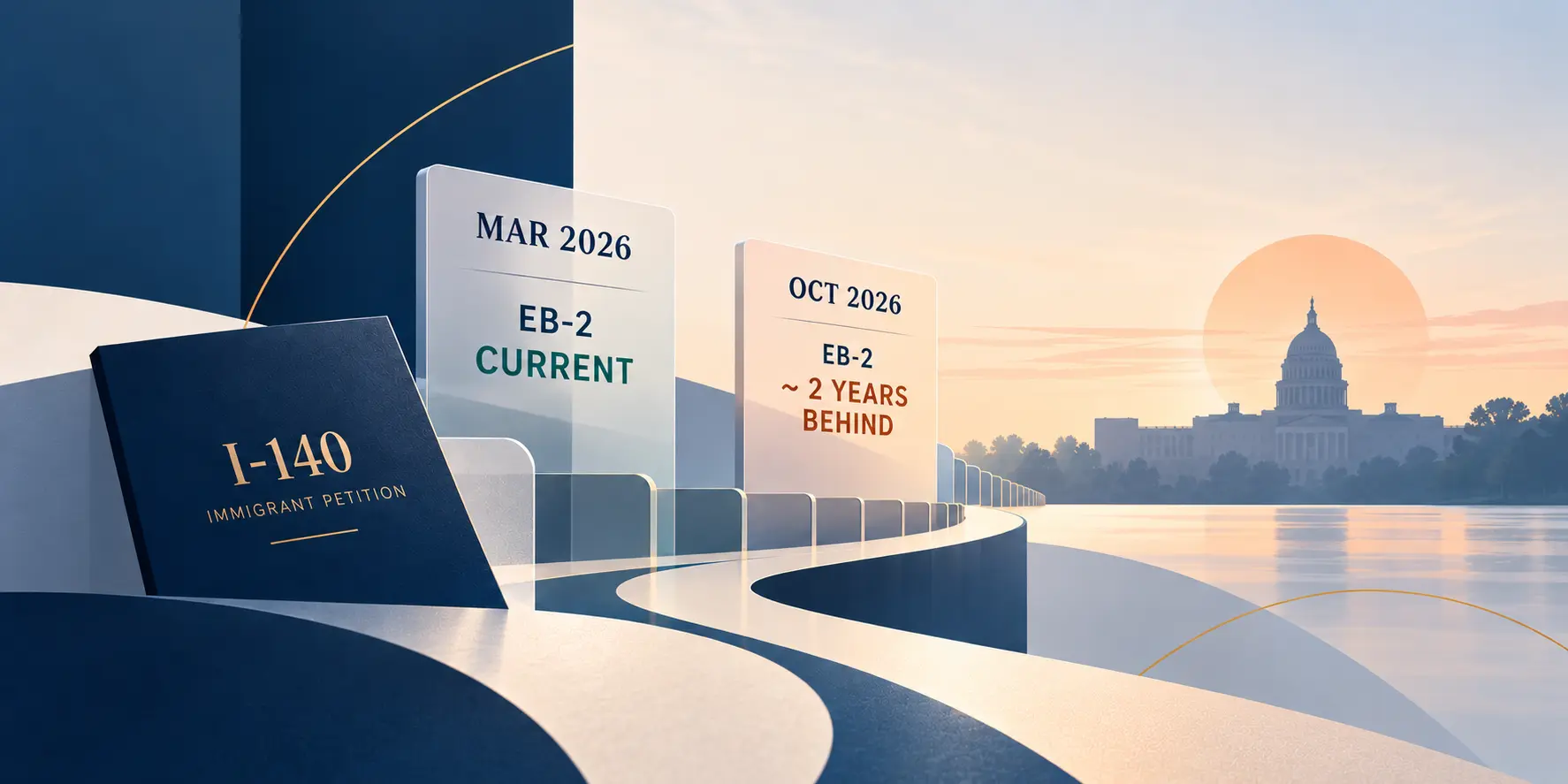
Third, with the visa bulletin current and the present immigration landscape as it is, EB-2 NIW remains one of the pathways that hasn't undergone substantive rule changes, and it continues to post a relatively high approval rate compared to categories like asylum, referenced above.
Fourth, a higher approval rate in EB-2 doesn't automatically make that category better than EB-1A for every profile. There are cases, such as in the arts, where EB-1 may make more sense than EB-2 regardless of the overall rates. Every evaluation is case by case; there is no one-size-fits-all formula here.
Our Take
Regulations, approval rates, and the broader immigration landscape are all in constant flux. In the middle of that uncertainty, EB-2 NIW continues to deliver a practical, tangible benefit with real results for those who qualify. That's not a promise, it's a data point: the pathway is still working, and it remains a solid option for many professional profiles.
That said, this doesn't mean it's the right pathway for everyone. The choice between EB-1A and EB-2 NIW depends on the professional's field, career profile, and the evidence available in each case.
Frequently Asked Questions
What's the difference between EB-1A and EB-2 NIW?
EB-1A is for individuals with extraordinary ability, demonstrated through a sustained record of achievement in their field. EB-2 NIW allows professionals with an advanced degree or exceptional ability to request a waiver of the job offer requirement, if they can show their proposed work substantially benefits the national interest of the United States.
What is an RFE, and how does it affect case approval?
An RFE (Request for Evidence) is a request USCIS sends when it determines the initial filing doesn't contain enough evidence to decide the case. A strong response to an RFE can still lead to approval, though it adds processing time.
Do these approval percentages apply the same way to every case?
Not necessarily. These numbers reflect quarterly averages, not a guaranteed outcome for any individual case.
The strength of the evidence, the quality of the petition, and the applicant's professional profile remain the factors that most influence the result.