I have always believed that college, despite its challenges and sacrifices, is one of the most important stages in laying the foundation for our professional lives. Having fun, attending parties, and enjoying social experiences are undoubtedly important parts of these years, during which we also build friendships that often last a lifetime. However, completing internships, participating in research projects, publishing academic articles, or getting involved in meaningful professional initiatives can be just as important, if not more so, even when their benefits are not immediately apparent.
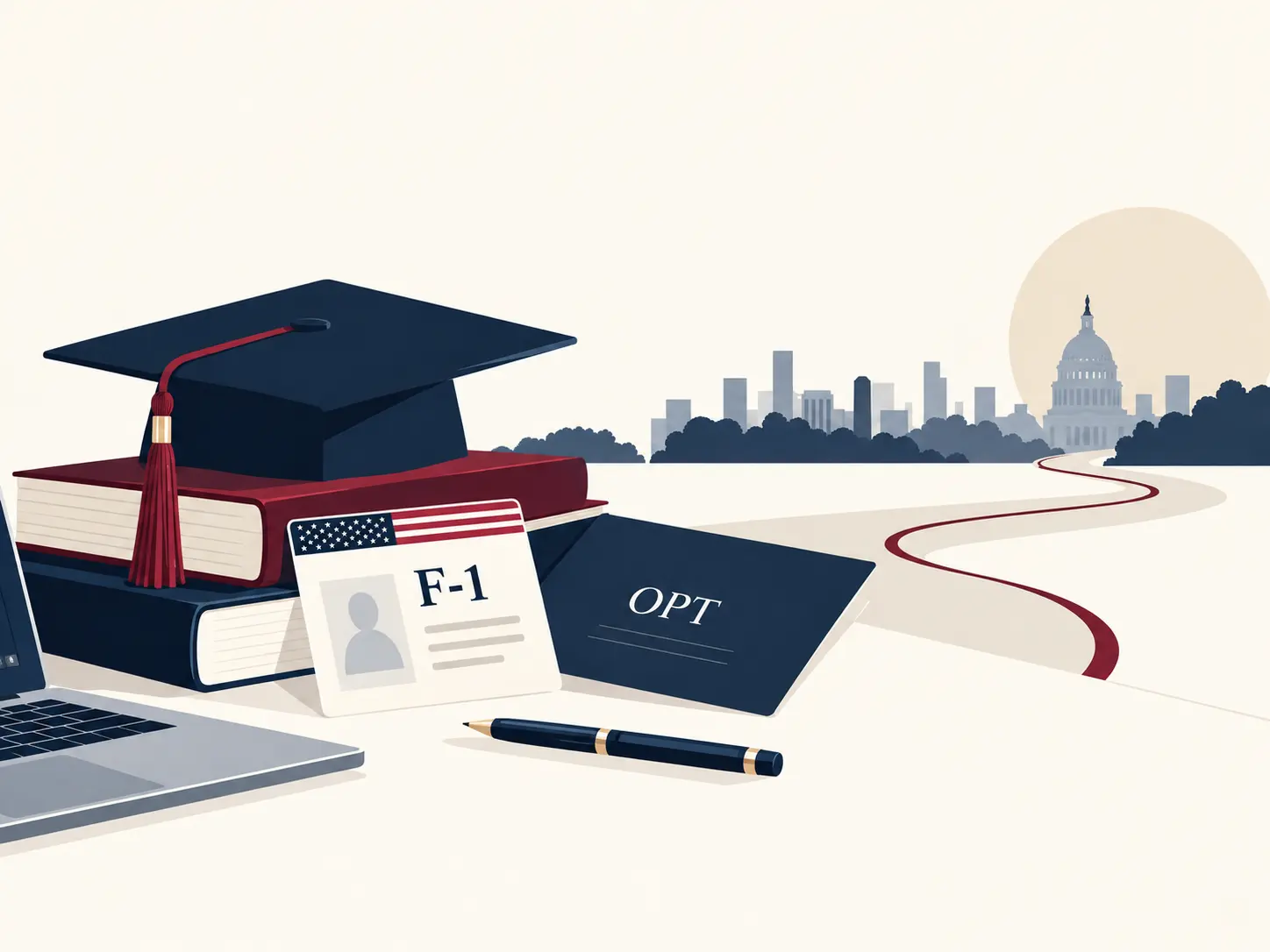
This perspective becomes particularly relevant for those studying in the United States on an F-1 student visa. Recently, the Department of Homeland Security (DHS) published a proposed regulation that would introduce a $70,000 fee for a student's initial participation in the Optional Practical Training (OPT) program and $30,000 for each subsequent participation, potentially including STEM OPT extensions. Although these fees would formally be imposed on educational institutions, their financial impact could ultimately be passed on to students. It is important to clarify that, as of the publication of this article, this remains a proposal and is not an effective regulation.
We can debate the motivations behind these measures, whether they are justified, or what consequences they may have for American higher education. However, there is a practical reality that international students must confront: the immigration landscape is becoming increasingly complex, and relying exclusively on OPT or the possibility of future employer sponsorship may represent a considerable risk. For this reason, immigration planning should begin long before graduation.
Professional Achievements Are Becoming Increasingly Important
My impression is that recent developments in immigration policy are making it increasingly important for foreign professionals to explore alternatives based on their own qualifications and achievements. While traditional employer-sponsored immigration categories remain relevant, other options allow individuals to leverage the professional recognition and contributions they have built throughout their careers.
One of these alternatives is the O-1 visa, particularly the O-1A classification, which is intended for individuals with extraordinary ability in the sciences, education, business, or athletics. Although having a qualifying employer or agent serving as the petitioner and demonstrating specific professional activities in the United States remain essential requirements, this category has an interesting characteristic: much of the evidence needed to establish an extraordinary professional track record can begin to develop during college.
Of course, this does not mean that simply participating in extracurricular activities or accumulating certificates will be sufficient. The O-1A visa requires demonstrating a level of professional recognition that meets the standards established by USCIS. Nevertheless, many of the experiences that could eventually support such a petition originate from opportunities available during a student's academic years.
For example, the following activities could help strengthen a future immigration strategy:
- Publish academic articles: Work with a professor to turn a research project, thesis, or university assignment into a scholarly publication. Ideally, aim for a reputable academic journal or conference within your field.
- Participate in research projects: Join university laboratories or research groups working on meaningful problems, and seek to take on specific responsibilities that allow you to demonstrate your individual contributions.
- Compete for awards and recognition: Participate in academic competitions, research contests, and national or international competitions. Be sure to preserve evidence of the award's significance and selection criteria.
- Present research at conferences: Look for opportunities to present your work at conferences, seminars, and professional events, particularly those that extend beyond your own university.
- Develop contributions that other professionals can use: For example, technological tools, methodologies, research findings, or projects that can be adopted, cited, or used by others. Documenting their impact will be essential.
- Increase the visibility of your achievements: If you participate in a significant research project or professional initiative, explore opportunities for your university or specialized publications to share the results. Independent media coverage can be particularly valuable.
- Evaluate the work of other professionals: Ask your professors about legitimate opportunities to participate in academic peer review, research evaluations, or the selection of submissions for professional conferences, while ensuring compliance with the employment restrictions associated with your F-1 status.
- Document your achievements from day one: Preserve publications, awards, invitations, statistics, correspondence, and any other documentation that may help establish your professional contributions. In immigration matters, doing something meaningful is not enough; you must also be able to prove it.
None of these activities, individually or collectively, guarantees eligibility for an O-1 visa. Their value will depend on the recognition obtained, the quality of the supporting evidence, and the particular circumstances of each case. Nevertheless, they can help you build a professional track record that may eventually open doors you are not even considering today.
Could the EB-2 NIW Also Be an Option?
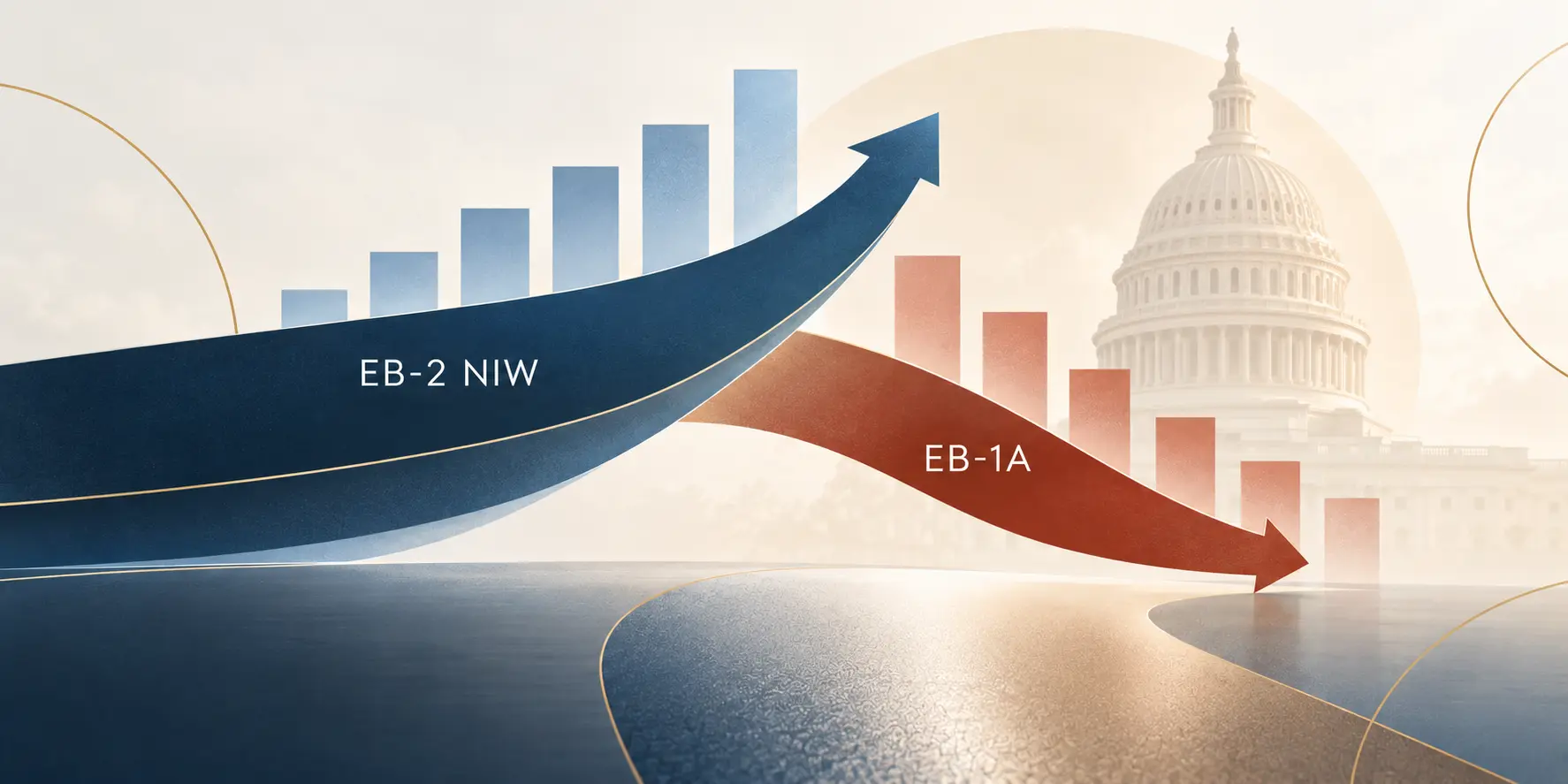
Under certain circumstances, yes. The EB-2 National Interest Waiver (NIW) may represent an attractive alternative for international students, particularly those pursuing a master's degree who already have previous professional experience.
For example, depending on the circumstances, a student may have already satisfied the educational requirements of the EB-2 classification before beginning their master's program by holding a degree equivalent to a U.S. bachelor's degree, followed by at least five years of progressive professional experience in their specialty. In such cases, it may not be necessary to wait until graduation to consider an EB-2 NIW petition.
Naturally, meeting the educational requirement is only one part of the analysis. We must also evaluate the applicant's professional background, previous contributions, career objectives, and, most importantly, the significance of their proposed endeavor to the national interest of the United States.
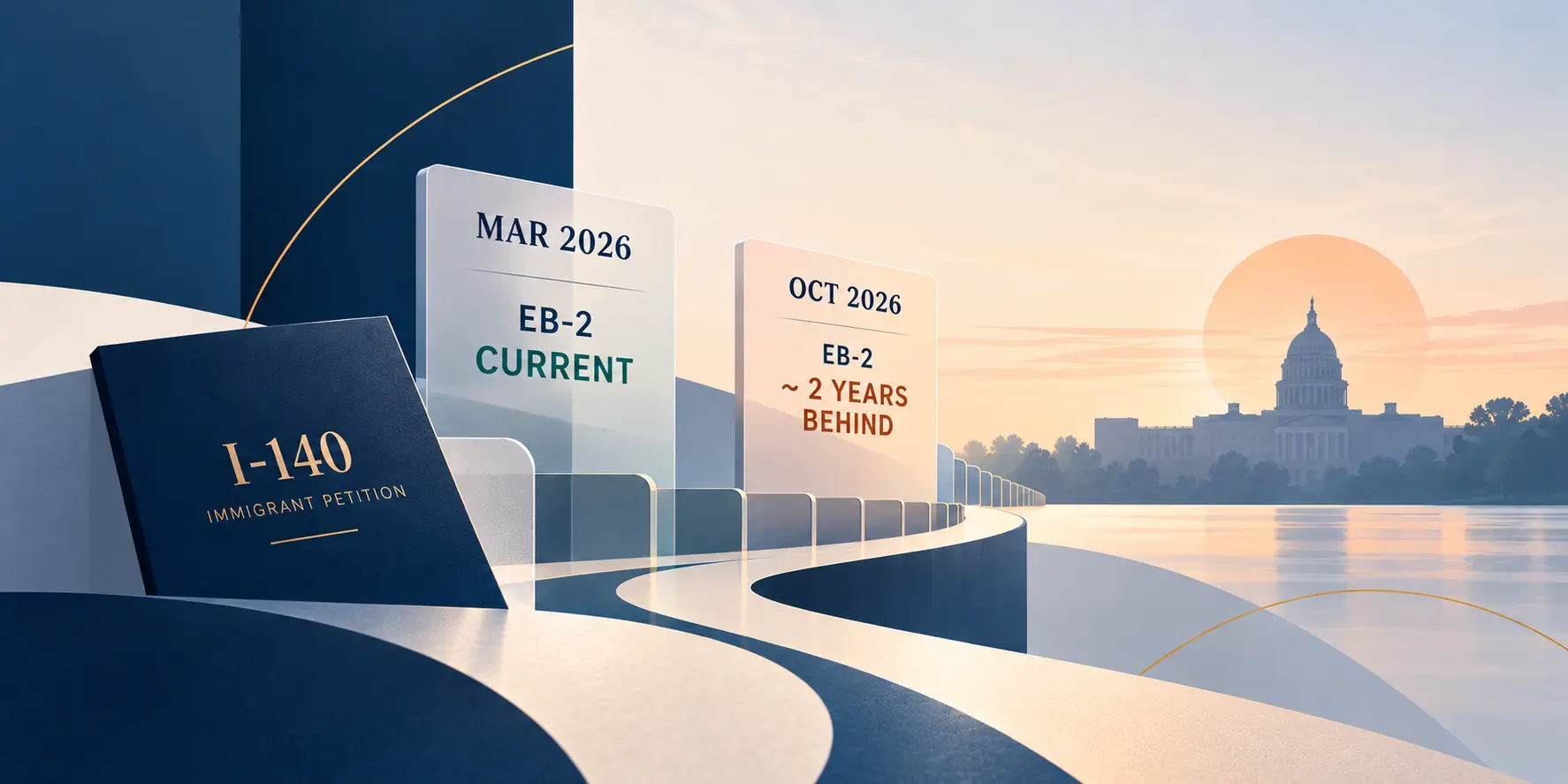
However, there is an important consideration: the EB-2 NIW does not necessarily provide an immediate immigration solution after graduation. Immigrant visa availability depends on the Visa Bulletin, which may advance or retrogress from one month to another. Consequently, even someone with an approved I-140 petition may need to wait before applying for adjustment of status or completing the permanent residence process.
Furthermore, filing or obtaining approval of an I-140 petition does not, by itself, provide lawful immigration status or employment authorization. Therefore, although the EB-2 NIW can open the door to a future as a permanent resident of the United States, it is important to understand its limitations and coordinate this strategy with other available options for maintaining lawful immigration status while the process moves forward.
What About H-1B Visas?
If there is one immigration category that has been at the center of numerous regulatory changes and new restrictions, it is certainly the H-1B visa. Traditionally, this program has been one of the primary pathways for international students seeking to continue working in the United States after completing their studies. However, recent measures are creating new challenges for employers and foreign professionals, particularly regarding costs, requirements, and the practical feasibility of sponsorship.
Given the complexity of these developments, I will address these changes and their practical consequences in a separate article. For now, I believe it is important to emphasize that relying exclusively on the possibility of obtaining an H-1B visa may leave many international students with limited options when they graduate.
Immigration Planning Begins on Your First Day of College
For years, many international students have followed a relatively predictable path: complete their studies, apply for OPT, find an employer willing to sponsor them, and eventually explore an opportunity for permanent residence. However, the current circumstances require us to reconsider just how much we can continue relying on that approach.
From my perspective, strategically developing a professional profile during college has evolved from being merely a competitive advantage into an essential component of immigration planning. Not every student will qualify for an O-1 visa or an EB-2 NIW, and not everyone will have access to the same academic or professional opportunities. However, there is an enormous difference between discovering that you lack the necessary qualifications when your OPT is about to expire and having spent several years building a professional track record that allows you to explore different immigration alternatives.
My advice to those currently studying in the United States is simple: enjoy your college years, make friends, and take advantage of everything this stage of life has to offer, but do not lose sight of your professional goals. Participate in research projects, seek mentors, involve your professors in your initiatives, and document your achievements. The benefits of these activities may not be obvious today, but they could prove decisive a few years down the road.
Because your immigration future in the United States does not begin when your OPT expires. In many ways, it begins on your very first day of college.